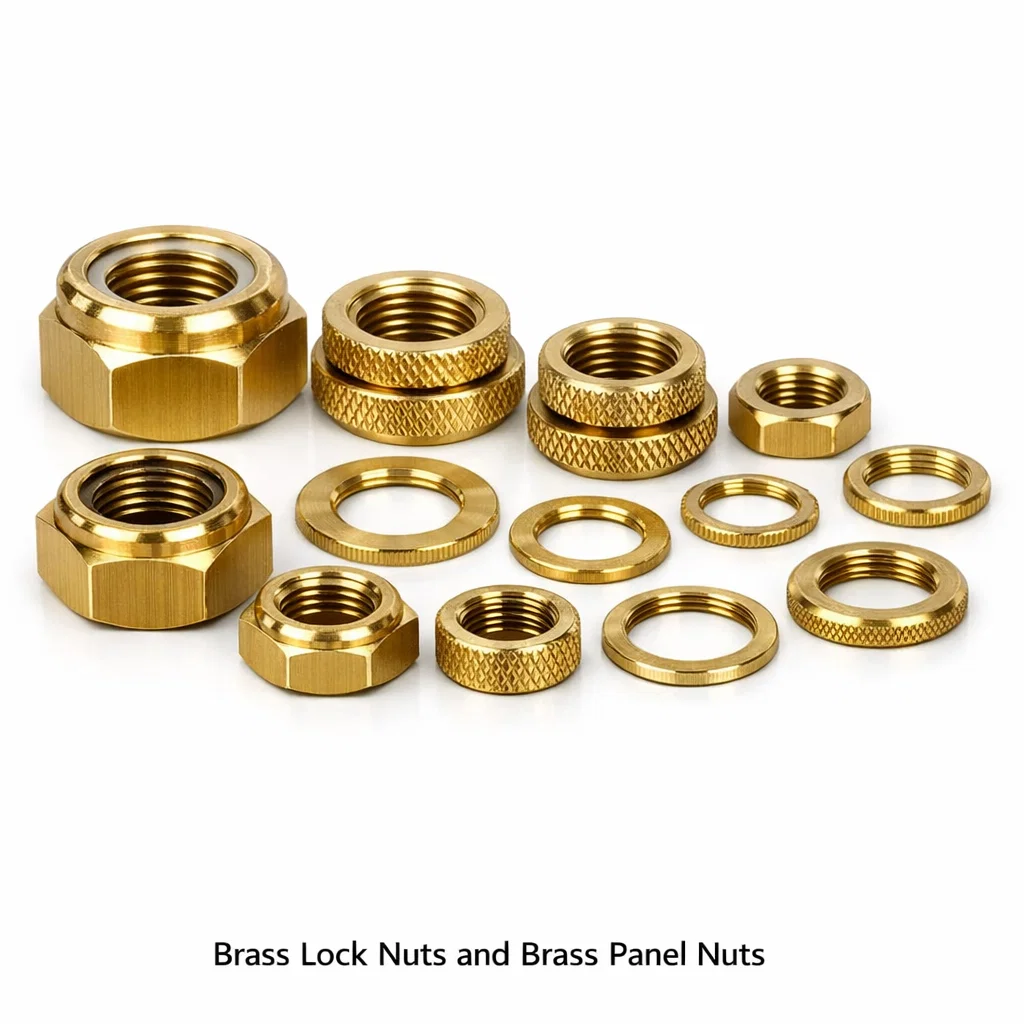
Ground rod couplers are among the most critical—yet often overlooked—components in any electrical earthing system. Whether you are installing a new grounding grid for a utility substation, protecting a commercial facility, or meeting NEC code requirements on a residential project, the coupler that joins your ground rods determines whether your earthing system holds up over decades of service. Bronze ground rod couplers stand apart from their steel or galvanized counterparts in every performance category that matters: corrosion resistance, conductivity, mechanical strength, and long-term reliability.
What Are Bronze Ground Rod Couplers?
A ground rod coupler (also called a ground rod connector or driving coupler) is a threaded or drive-type fitting used to join two ground rods end-to-end, allowing installers to achieve the burial depth mandated by the National Electrical Code (NEC) Article 250 and NFPA 70. The coupler transfers both the mechanical driving force during installation and the electrical continuity required for effective fault-current dissipation into the earth. Bronze couplers are the preferred choice for copper-bonded, stainless, and solid-copper ground rods in permanent, high-reliability installations across utilities, data centers, telecommunications, and industrial plants throughout the United States.
Why Bronze Outperforms Other Materials
Bronze—primarily a copper-tin alloy with possible additions of silicon, phosphorus, or aluminum—delivers a unique combination of properties that make it the material of choice for underground electrical hardware. Unlike plain steel or galvanized iron, bronze is inherently corrosion-resistant in a wide range of soil conditions including acidic, alkaline, and chloride-rich environments commonly found across the continental United States. Its electrical resistivity (typically 10–15 µΩ·cm) is far lower than galvanized steel, ensuring minimal impedance at the coupler joint. Bronze also resists dezincification, which is the main failure mode for standard brass in aggressive soils.
For installers working in coastal regions like Florida, Texas Gulf Coast, or the Pacific Northwest where soil moisture and salt levels are elevated, bronze couplers provide service life measured in decades rather than years. This translates directly to lower lifecycle costs and reduced maintenance interruptions.
Types of Bronze Ground Rod Couplers
Threaded Bronze Couplers
Threaded couplers feature internal threads machined to match standard ground rod thread patterns (typically ⅝-inch UNC or ¾-inch UNC). They create a mechanically secure, low-resistance joint that is fully removable if rods need to be extracted. Threaded couplers are ideal for installations where the ground rod system may need future servicing or extension.
Drive Couplers (Acorn Couplers)
Drive couplers, sometimes called acorn couplers due to their characteristic acorn-shaped cap, are placed over the top of the upper ground rod during hammer or hydraulic driving. They protect the rod end from mushrooming while transmitting driving force evenly. Once installation is complete, they remain as a permanent electrical connector. These are particularly common in utility transmission and distribution work.
Split-Bolt Bronze Couplers
Split-bolt designs allow joining of ground rods at any point, including mid-shaft connections required in rocky soils where rods must be advanced in shorter sections. Bronze split-bolt couplers are approved under UL 467 and provide reliable performance in soil resistivity conditions up to 100 Ω·m.
Related Products for Complete Earthing Systems
Bronze ground rod couplers are most effective as part of a complete engineered earthing system. Related components that work in conjunction with bronze couplers include:
- Bronze Ground Rod Clamps – For connecting conductors to the ground rod at surface or near-surface level
- Copper-Bonded Ground Rods – The most widely specified ground rod in North American utility and commercial installations
- Copper Compression Lugs and Splices – For terminating grounding conductors at equipment, switchgear, and transformer connections
- Brass and Bronze Square Tape Clamps – Used with flat copper tape earthing conductors in substations and industrial facilities
- Exothermic Welding Products (Cadweld equivalents) – For permanent molecular-bond connections where mechanical clamps are not permitted
- Ground Enhancement Material (GEM) – Conductive concrete backfill used in high-resistivity soils throughout the Southwest and Mountain West
Material Grades and International Equivalents
The table below summarizes the bronze alloy grades most commonly used in ground rod couplers along with their international equivalents:
| Property | CDA 932 (SAE 660) | CDA 954 (Al-Bronze) | CDA 836 (LG2 Bronze) | CDA 863 (Mn-Bronze) |
|---|---|---|---|---|
| Copper % | 83 | 88 | 85 | 58 |
| Tin % | 7 | — | 5 | — |
| Lead % | 7 | — | 5 | — |
| Aluminum % | — | 10 | — | — |
| Zinc % | 3 | — | 5 | 38 |
| US Standard | ASTM B505 | ASTM B148 | ASTM B584 | ASTM B584 |
| BS Equivalent | BS 1400 LG2 | BS 1400 AB1 | BS 1400 LG2 | — |
| ISO Equivalent | ISO 1338 CuSn7Pb7Zn3 | ISO 428 CuAl10Fe | ISO 1338 CuSn5Pb5Zn5 | — |
| DIN Equivalent | DIN 1705 G-CuSn7ZnPb | DIN 1714 CuAl10Ni | DIN 1705 G-CuSn5ZnPb | — |
| Tensile Strength | 310 MPa | 550 MPa | 280 MPa | 450 MPa |
| Corrosion Resistance | Excellent | Superior | Very Good | Good |
| Best Application | Standard grounding, buried service | Marine, high-stress | General earthing hardware | Structural, high-load |
Installation Standards and Code Compliance
In the United States, bronze ground rod couplers must comply with several key standards. The National Electrical Code (NEC) Article 250.52 governs electrode specifications, while Article 250.53 addresses installation methods. UL 467 is the primary product listing standard for grounding and bonding equipment, including couplers. IEEE Std 80 (Guide for Safety in AC Substation Grounding) provides engineering guidance for utility-grade earthing systems. ANSI/NFPA 780 covers lightning protection systems, which frequently use bronze couplers in their grounding electrode networks.
Properly listed bronze ground rod couplers must maintain an electrical resistance of less than 0.1 mΩ at the joint under rated mechanical stress, ensuring the coupling does not create a measurable impedance increase in the grounding path. All couplers should be verified as compatible with the specific ground rod diameter and thread pattern in use—typically ⅝-inch (15.87 mm) or ¾-inch (19.05 mm) in US installations.
Sizing Guide for Bronze Ground Rod Couplers
Selecting the correct coupler size is straightforward when the rod diameter and thread specification are known. The most common configurations in North American utility and commercial installations are ⅝-inch diameter rods (5/8″ × 10 ft being the most popular residential and light commercial choice) and ¾-inch diameter rods preferred in utility transmission, substation, and heavy industrial applications. Couplers are typically available in 50-count and 100-count bulk packs, which simplifies procurement for large projects involving hundreds of rod sets.
Why Choose Us for Bronze Ground Rod Couplers
We manufacture bronze ground rod couplers in-house at our ISO-certified facility using premium-grade bronze alloys including CDA 932, CDA 836, and CDA 954. Every coupler is machined to tight tolerances and thread-gauged before dispatch to ensure a leak-free, low-resistance fit. Our manufacturing capabilities include custom thread forms, non-standard OD/ID dimensions, and special alloy grades to meet project-specific engineering requirements. With decades of experience supplying utility contractors, EPC companies, and electrical distributors across the USA, UK, Canada, Australia, and the Middle East, we understand the quality and documentation requirements that critical infrastructure projects demand. We offer mill test reports, material certifications to ASTM standards, and RoHS compliance documentation as standard.
Frequently Asked Questions About Bronze Ground Rod Couplers
Q1: What is the difference between a bronze ground rod coupler and a galvanized steel coupler?
Bronze couplers offer vastly superior corrosion resistance compared to galvanized steel, particularly in acidic, wet, or chloride-rich soils. Galvanized steel couplers may corrode within 10–15 years in aggressive soil conditions, creating high-resistance joints that compromise earthing effectiveness. Bronze couplers are designed to provide 40+ years of reliable service with negligible corrosion-related degradation.
Q2: Are bronze ground rod couplers compatible with copper-bonded ground rods?
Yes. Bronze couplers are the preferred mechanical connection for copper-bonded steel rods, which are the most widely used ground rod type in North America. The bronze material is galvanically compatible with the copper bonding layer, preventing accelerated corrosion at the joint. Using dissimilar metals (such as galvanized steel couplers on copper-bonded rods) accelerates galvanic corrosion.
Q3: What thread size are most US ground rod couplers?
The most common thread pattern is ⅝-inch UNC (Unified National Coarse) for 5/8″ ground rods and ¾-inch UNC for 3/4″ rods. Some manufacturers use proprietary thread forms, so it is important to match the coupler to the specific rod brand and diameter being used on the project.
Q4: Do bronze ground rod couplers require a separate conductor connection or do they also serve as a terminal?
Standard couplers are mechanical joint-only fittings designed to join rod sections—they do not have a provision for conductor attachment. For connecting the grounding electrode conductor (GEC) to the rod, you need a separate bronze or copper ground rod clamp, which can be installed at or near the surface before the rod is driven to final depth.
Q5: What is the maximum depth achievable using bronze couplers?
There is no practical maximum depth limitation imposed by the coupler itself. Projects have used bronze couplers to achieve rod depths of 100 feet or more in low-resistivity deep soil installations. The limitation is typically the drilling or driving equipment rather than the coupler’s mechanical strength. CDA 954 aluminum-bronze couplers are preferred for very deep installations due to their higher tensile strength (550 MPa vs. 310 MPa for standard bronze).
Q6: Are there UL-listed bronze ground rod couplers available?
Yes. Ground rod couplers should be selected from UL 467-listed manufacturers or equivalents certified under applicable regional standards (CSA 22.2 in Canada, BS 7430 in the UK). Always request the listing documentation from your supplier as part of the procurement package for regulated or utility-owned installations.
Q7: Can I use a bronze coupler to join ground rods of different diameters?
Standard couplers are designed for same-diameter rods. Reducing couplers that join ¾-inch to ⅝-inch rods are available but uncommon. Engineering judgment is required to ensure the reduced-diameter section does not become a mechanical weak point during driving. It is generally preferable to use the same diameter rod throughout the electrode string.
Q8: How do I prevent galling when tightening bronze threaded couplers?
Apply a thin coat of non-oxidizing, electrically conductive joint compound (such as NoAlOx or equivalent) to the threads before assembly. This lubricates the joint, prevents galling during tightening, and inhibits oxide formation at the interface that could increase joint resistance over time. Do not use petroleum-based greases, which can degrade rubber boots or gaskets used in some installations.
Q9: What is the typical lead time for custom bronze ground rod couplers?
Standard size couplers (⅝-inch and ¾-inch) are typically available from stock. Custom dimensions, special alloy grades, or non-standard thread forms generally require 3–5 weeks lead time depending on order quantity. For large project quantities (10,000+ pieces), we recommend placing orders 8–10 weeks before the scheduled installation date.
Q10: Are bronze ground rod couplers suitable for use in tropical or desert climates?
Absolutely. Bronze performs well across all climate zones found in the continental United States, from the humid subtropical conditions of the Southeast to the arid desert soils of the Southwest. The primary concern in desert soils is resistivity rather than corrosion—bronze couplers maintain their integrity even as the grounding system design is adjusted for high soil resistivity through parallel electrode arrays or ground enhancement materials.
Q11: What is the weight and dimensional envelope of a typical ⅝-inch bronze ground rod coupler?
A standard ⅝-inch threaded bronze ground rod coupler typically weighs 45–65 grams and measures approximately 50 mm in length with a hex OD of 27 mm. Exact dimensions vary by manufacturer and design. We can provide detailed dimensional drawings and 3D models upon request for engineering review or installation planning purposes.
Q12: Can bronze ground rod couplers be used in conjunction with exothermic welds?
Yes. In many utility and critical infrastructure installations, threaded bronze couplers are used to mechanically join rod sections during installation, while exothermic welds (cadweld-type) are used to make the permanent electrical connection between the conductor and the rod. This combination leverages the mechanical convenience of threaded couplers with the permanence and vibration resistance of molecular-bond connections.